

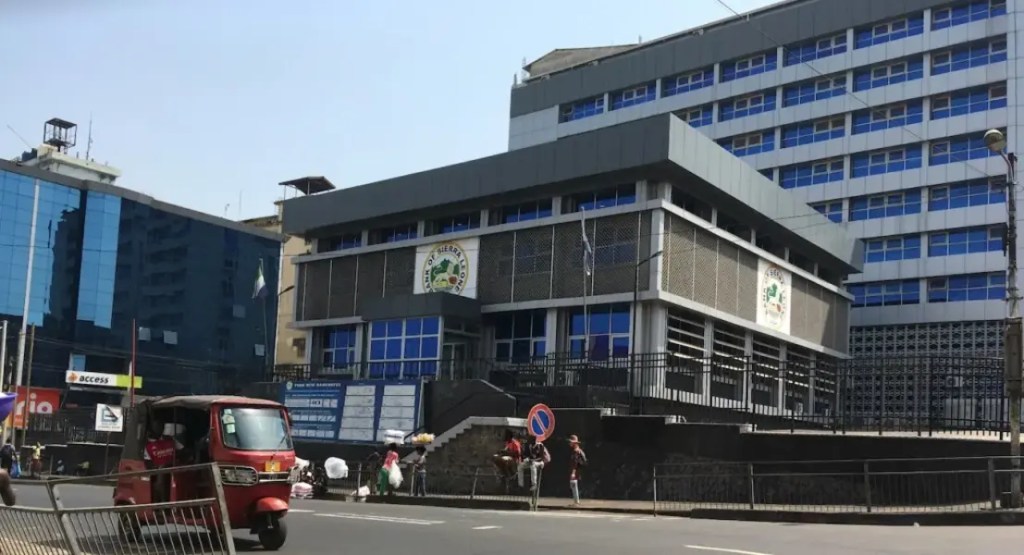
The Bank of Sierra Leone (BSL) has tightened monetary policy again, raising its benchmark Monetary Policy Rate by 0.25 percentage points to 17.25 percent, as the central bank moves to rein in inflation that has climbed sharply through the middle of 2026.
The decision was taken by the Monetary Policy Committee at a meeting on September 24, chaired by BSL Governor Dr. Ibrahim L. Stevens, and comes as headline inflation rose from 10.24 percent in March to 15.66 percent in August, according to the bank’s own figures. The increase marks the latest in a series of rate adjustments this year as the central bank tries to balance the fight against rising prices with the government’s goal of sustaining economic growth.
In a statement explaining the move, the Monetary Policy Committee said “further tightening of the monetary policy stance was necessary to preserve macroeconomic stability and reaffirm the Bank’s commitment to achieving and maintaining price stability.” The committee pointed to a mix of domestic and external pressures behind the inflation surge, including tax policy measures, higher food prices driven by climate-related constraints on agriculture, and increased global energy costs.
The rate hike effectively raises the cost of borrowing across the economy, a trade-off the central bank is willing to make to slow the pace of price increases that have been squeezing households and businesses alike. Higher fuel and food costs this year, tied in part to global oil market volatility, have already pushed the Ministry of Finance to revise its own budget projections, cutting expected domestic revenue while widening the fiscal deficit. The Bank of Sierra Leone’s tightening cycle is unfolding alongside that fiscal pressure, with real GDP growth now projected at 4.0 percent for 2026, down from 4.8 percent in 2025, as the twin effects of inflation and slower growth weigh on the economy.
For ordinary Sierra Leoneans, the rate increase is likely to be felt most directly through costlier loans and financing, even as the central bank argues that allowing inflation to run unchecked would do greater long-term damage to incomes and savings. Businesses that rely on credit to import goods or expand operations may face higher financing costs in the months ahead, while savers could see some benefit from higher returns on interest-bearing accounts.
The move keeps Sierra Leone’s monetary stance firmly in tightening territory for now, with the central bank signaling that it will continue to prioritize price stability as inflation remains well above its target range. Whether the higher rate succeeds in cooling price growth without further slowing an economy already grappling with reduced growth projections will be a key test for policymakers heading into the final months of the year.
Sources: Premier Media (premiermedia-sl.com), Bank of Sierra Leone



Leave a comment